
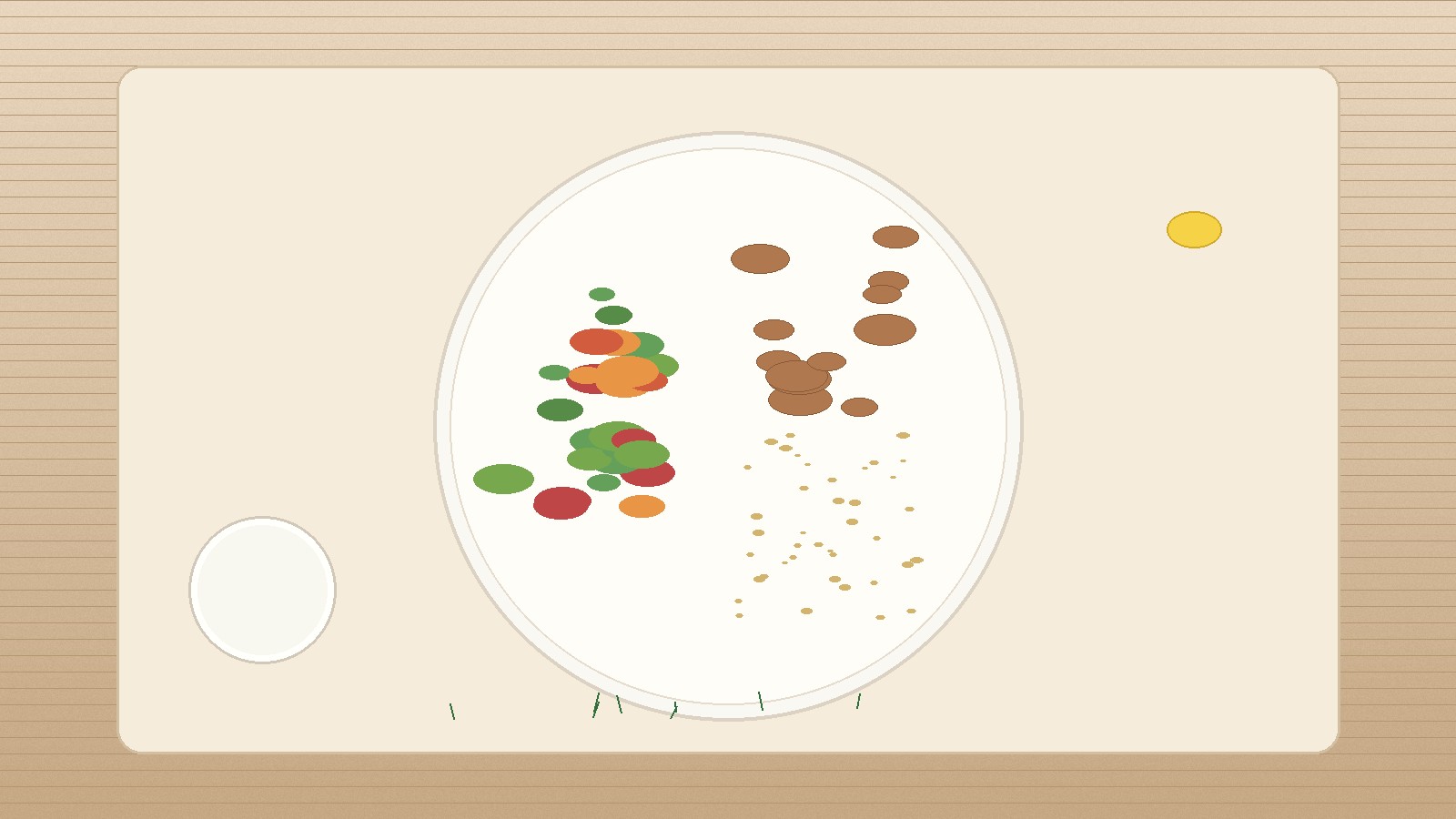
How to Build a Balanced Home-Cooked Plate (Simple Gulf Kitchen Guide)
Build a balanced home-cooked plate the Gulf kitchen way: half vegetables, a grain quarter, protein, plus WHO and NHS tips on fruit, veg, salt, and sugar.
How to Build a Balanced Home-Cooked Plate (Simple Gulf Kitchen Guide)
A balanced plate does not need a diet chart on the fridge. In a Gulf home kitchen you already have the pieces: vegetables, rice or bread, beans or meat or fish, yogurt, fruit, herbs, and olive oil. This guide shows a simple way to assemble them so everyday meals feel complete without inventing calorie counts or magic macros.
You do not need every meal to look identical. Public health guidance focuses on patterns over a day or week, not perfection at lunch alone.
What “balanced” means in plain kitchen language
Health agencies describe a healthy diet with a few shared ideas: enough fruit and vegetables, mostly whole or less-processed carbs, some protein, variety across the week, and limits on free sugars and salt.
The World Health Organization (WHO) frames healthy eating around adequacy, balance, moderation, and diversity. For people older than 10, WHO guidance includes aiming for at least 400 grams of fruit and vegetables a day, preferring whole grains, vegetables, fruits, and pulses as carbohydrate sources, and keeping free sugars below 10% of daily energy (about 50 g for a 2000-calorie day). WHO also recommends that adults keep sodium under 2000 mg a day (under about 5 g of salt, roughly one teaspoon).
In the UK, the NHS Eatwell Guide shows fruit and vegetables as just over a third of what you eat overall, with meals based on higher-fibre starchy foods, some protein foods, some dairy or alternatives, and small amounts of unsaturated oils. The familiar “5 A Day” target is at least five portions of a variety of fruit and vegetables; an adult portion is typically about 80 g. Potatoes do not count toward 5 A Day because they mainly contribute starch.
In the US, USDA MyPlate is a visual reminder to fill half the plate with fruits and vegetables, make half your grains whole grains, and vary protein foods (seafood, lean meat or poultry, eggs, beans, nuts, and soy).
None of these guides ban Gulf staples. They nudge portions and variety. Use them as a compass, not a courtroom.
A simple home plate pattern (half, quarter, quarter)
When you plate dinner, try this shape first:
- About half the plate: vegetables and salad. Cooked vegetables count. So do raw salads, grilled peppers, tomato cucumber salad, stuffed zucchini, okra, leafy greens, roasted carrots, and mixed pickles in small amounts. Frozen and tinned vegetables are fine if you watch added salt and sugar.
- About a quarter: grain or starchy base. Rice, brown rice when you have it, bulgur, freekeh, wholewheat bread, potatoes, or pasta. WHO and NHS both favor higher-fibre, less-refined choices when you can.
- About a quarter: protein. Chicken, fish, lean meat, eggs, lentils, chickpeas, beans, or a mix. USDA encourages varying protein across the week, including plant proteins and seafood when available.
Add a small side of yogurt or laban if you like dairy. Dress with olive oil, lemon, herbs, and spices rather than heavy cream sauces every night.
This pattern matches the spirit of MyPlate (half produce) and Eatwell (produce as a large share of the day’s food) without requiring a measuring cup at every meal.
Gulf kitchen swaps that keep flavor
Balance is easier when the plate still tastes like home:
- Rice nights: Keep your usual rice, then enlarge the vegetable share. Add a big salad, sautéed greens, or roasted mixed vegetables on the side so the plate is not mostly starch.
- Stews and thareed-style meals: Spoon more vegetables into the bowl and a little less bread or rice under them. The broth still carries the spice.
- Grilled or oven trays: Fill the tray with peppers, onions, tomatoes, and zucchini next to the protein so vegetables cook with the meal.
- Friday rice or biryani-style plates: Serve a generous salad and a yogurt side. The celebration dish stays; the plate around it does more work.
- Breakfast: Eggs or foul with tomatoes, cucumber, olives, and wholewheat bread is already close to a balanced start. Add fruit when you can.
Variety across the week matters. WHO’s diversity principle is practical here: rotate lentils one night, fish another, chicken another, and keep different colors of vegetables in rotation.
Salt, sugar, and oils without panic
Small kitchen habits help more than extreme cuts:
- Salt: Taste before you add more. Use lemon, garlic, cumin, coriander, sumac, black pepper, and fresh herbs for lift. WHO’s adult sodium guidance is under 2000 mg a day (under about 5 g salt). Much sodium hides in processed foods, so home cooking already helps when you control the shaker.
- Free sugars: Soft drinks, sweetened juices, and desserts add up. WHO advises keeping free sugars under 10% of daily energy, and notes that fruit juice still contributes free sugars even without added sugar. NHS guidance limits fruit juice and smoothies to about 150 ml a day as at most one of your 5 A Day portions.
- Oils: Prefer unsaturated oils such as olive oil in modest amounts (NHS Eatwell). You do not need to eliminate fat; keep portions moderate.
If someone in your household has a medical condition, follow their clinician’s advice. This article is general food guidance, not personal medical care.
A weeknight plate you can build in 25 minutes
- Start a pot of rice or warm flatbread.
- While that cooks, chop two or three vegetables you already have (tomato, cucumber, onion, frozen mixed veg, leftover roasted vegetables).
- Cook a quick protein: pan chicken strips, fried eggs, warmed lentils, or leftover fish.
- Plate: half vegetables, quarter grain, quarter protein.
- Finish with yogurt, lemon, and herbs.
No spreadsheet required. If dinner ran late and the plate was mostly rice, add fruit later or lean the next meal toward vegetables. Patterns over days beat guilt at one sitting.
FAQ
Do I need exactly half vegetables at every meal?
No. NHS Eatwell guidance says you do not need perfect balance in every single meal; aim to get the balance right over a day or week. Use the half-plate idea as a default when you can see the food in front of you.
Do potatoes and rice count as vegetables?
Generally no for “5 A Day” style fruit-and-veg targets. NHS notes that potatoes do not count toward 5 A Day because they mainly contribute starch. Rice and bread sit in the starchy foods group. They still belong on the plate; they just fill the grain quarter, not the vegetable half.
Are frozen vegetables “less healthy”?
Not by default. NHS guidance includes fresh, frozen, tinned, dried, or juiced produce toward fruit and vegetable goals (with juice limits). Choose options without heavy added sugar or excess salt when you can.
How do beans and lentils fit?
They work as protein and also contribute to vegetable-style fibre goals in many guides. NHS notes beans and pulses can count toward 5 A Day but only as a maximum of one portion a day, however much you eat. On a home plate, a lentil stew with a large salad still fits the half / quarter / quarter idea.
Is this the same as counting calories?
No. This guide is about plate composition and variety. WHO and NHS focus on food groups, limits on free sugars and salt, and overall patterns. If you need calorie targets for a clinical reason, ask a qualified professional.
Sources
- WHO, Healthy diet fact sheet: https://www.who.int/news-room/fact-sheets/detail/healthy-diet (fruit and vegetables at least 400 g/day for ages 10+; free sugars under 10% of energy; whole grains, vegetables, fruits, pulses; adequacy, balance, moderation, diversity)
- WHO, Salt reduction fact sheet: https://www.who.int/news-room/fact-sheets/detail/salt-reduction (adults under 2000 mg sodium/day, equivalent to under 5 g salt/day)
- NHS, The Eatwell Guide: https://www.nhs.uk/live-well/eat-well/food-guidelines-and-food-labels/the-eatwell-guide/
- NHS, Eating a balanced diet: https://www.nhs.uk/live-well/eat-well/how-to-eat-a-balanced-diet/eating-a-balanced-diet/
- NHS, 5 A Day portion sizes: https://www.nhs.uk/live-well/eat-well/5-a-day/portion-sizes/
- NHS, Why 5 A Day: https://www.nhs.uk/live-well/eat-well/5-a-day/why-5-a-day/
- USDA MyPlate: https://www.myplate.gov/
Soft next step
If you want homemade plates from kitchens near you, browse what is cooking on BaytCooks Explore. Prefer cooking and sharing from your own kitchen? You can list your kitchen when you are ready. More practical food notes live on the BaytCooks blog.